1 min read
How Much Does It Cost to Remodel a Kitchen? [updated 2026]
If you own a home in the South Bay, greater Los Angeles, or Orange County and are planning a kitchen remodel, the first question is almost always...
18 min read
One of the most popular kitchen remodeling projects in the South Bay over the last several years has been opening up the kitchen by removing walls to create an open concept layout. That usually means taking out the walls shared between the kitchen, the dining room, and the living room. Many of those walls carry the weight of the home above them, which makes them load-bearing, and removing one without the right structural plan can cause serious damage. I have been remodeling kitchens in Torrance and across the South Bay for over 20 years, and this guide covers how load-bearing walls are removed during a kitchen remodel, how the work is done, what it costs in 2026, the permits your city requires, and the seismic considerations that matter in Southern California.
|
THE SHORT ANSWER Most kitchen walls in older South Bay homes are load-bearing, so opening up the floor plan means removing the wall and installing a beam that takes over the load. A licensed structural engineer designs the beam, the work requires a building permit with stamped structural calculations, and a city inspector verifies the work before any drywall goes up. In the South Bay, the structural portion of this work generally starts around $10,000 to $20,000 depending on the length of the wall and what sits above it, with engineering plans adding several thousand more. Two-story homes and condos cost more than single-story homes. The exact price is set after we open a section of the wall and see the actual framing. |
A load-bearing wall is an interior or exterior wall that carries weight from the structure above it, such as the roof, the ceiling, or an upper floor, down to the foundation. It is an active part of the home's support system rather than a simple partition. When you remove a load-bearing wall, that weight has to be carried by something else, which is why a beam is installed in its place.
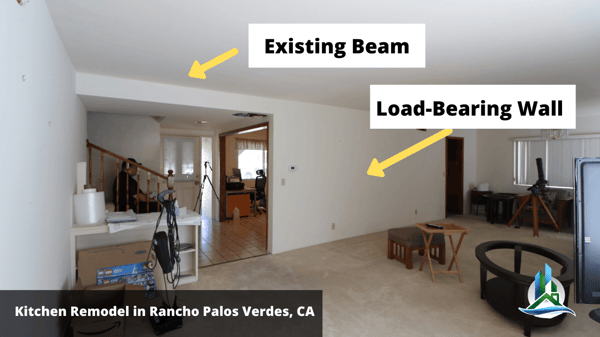
In the image below, the load-bearing wall sits in the center of the room, directly underneath the ceiling joist framing. That central position is common, because the framing usually needs support somewhere between the two exterior walls.
| Load-Bearing Wall | Partition (Non-Load) Wall |
| Carries weight from the roof or floor above down to the foundation. Removing it requires a beam to replace the support. | Divides space only and carries no structural load. It can usually be removed without adding a beam. |
There are a few signs that point to a wall being load-bearing, and most South Bay kitchens have at least one wall that qualifies. A wall is likely load-bearing if it runs perpendicular to the floor or ceiling joists above it, sits near the center of the home, stacks directly above another wall or beam on the floor below, or continues straight down to the foundation. Exterior walls are almost always load-bearing.
It runs perpendicular to the floor or ceiling joists above it
It sits near the center of the home
It stacks directly above a wall or beam on the floor below
It continues straight down to the foundation
It is an exterior wall, which is almost always load-bearing
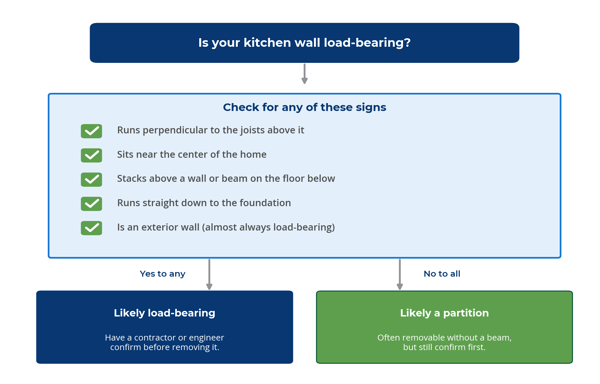 Framing varies from home to home. Only a contractor or structural engineer can confirm a wall by looking at the framing.
Those signs are a useful starting point. They are not a substitute for confirmation, because framing varies from house to house, especially in older South Bay homes that have been added onto over the decades. The only reliable way to confirm whether a wall is load-bearing is to have a contractor or structural engineer look at the framing directly. Guessing wrong and removing the wrong wall can cause sagging ceilings, cracked drywall, sticking doors, and in severe cases structural failure.
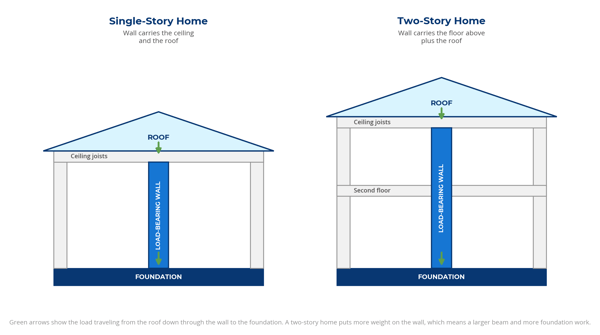 How load travels from the roof down through a load-bearing wall to the foundation, in single-story and two-story homes.
In a single-story house, load-bearing walls hold up the ceiling joists and the gravity load coming down from the roof rafters. The rafters transfer the roof's weight onto the load-bearing wall, and the wall carries it down to the foundation. In two-story construction, the load-bearing walls support both the floor above and the roof, so they carry considerably more weight. As the illustration shows, these walls usually sit near the center of the structure and form the path that moves the load from the roof down to the foundation. This difference between single-story and two-story homes is the biggest single driver of cost and complexity, which is covered further down.
| Factor | Single-Story Home | Two-Story Home |
| What the wall carries | Ceiling joists and the roof load above | The floor above plus the roof |
| Load path | Carries straight down to the foundation | Transfers through the first floor to the foundation |
| Cost and complexity | Lower | Higher, with more drywall removal and foundation work |
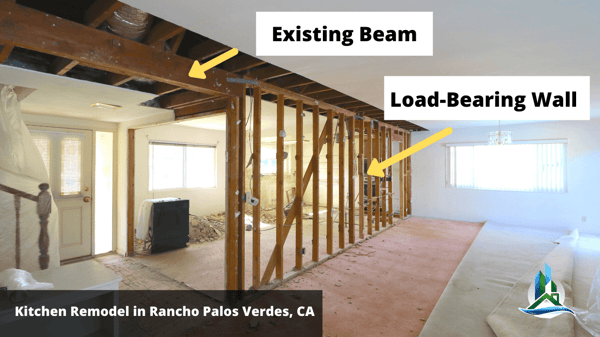
Removing a load-bearing wall for an open kitchen follows a defined sequence, and most of the planning happens before the wall ever comes down. The goal at every step is to keep the structure supported while the wall that used to carry the load is replaced by a beam.
| 1. Engineer designs the beam | 2. Reroute utilities | 3. Temporary shoring | 4. Remove wall, set beam | 5. Posts and footings | 6. Inspect before drywall |
Confirm the wall is load-bearing and design the beam: A structural engineer reviews the framing and designs the beam and supports that will carry the load across the new opening.
Scope what is inside the wall: Kitchen walls often contain electrical wiring, plumbing, gas lines, or HVAC ducts. Anything running through the wall has to be rerouted before demolition, and we coordinate the electrician, plumber, and HVAC work so it happens in the right order.
Install temporary shoring: Before the wall is removed, temporary support is built on both sides to carry the load while the wall is out and the beam is being set.
Remove the wall and set the beam: The wall comes out and the engineered beam goes in to take over the load the wall used to carry.
Add posts and footings: The beam transfers its load to posts at each end, and those posts often need new footings poured into the foundation to carry the concentrated load.
Pass inspection before drywall: A city inspector verifies the beam, the connections, and the framing before any drywall covers the work.
On more complex projects we open a section of the wall before finalizing the design and the price. Seeing the framing first lets us design around the actual field conditions and avoid the surprise change orders that come from quoting on visible conditions alone.
When the wall comes out, a beam takes over the load, and a structural engineer sizes that beam for the span and the weight above it. The three most common options are laminated veneer lumber (LVL), parallel strand lumber (PSL), and steel. The right choice depends on how wide the opening is and how much load the beam has to carry.
| Beam Type | Best For | Notes |
| LVL (laminated veneer lumber) | Shorter to moderate spans, lighter loads | An engineered wood beam that is easier to handle and often the most economical option for a single-story opening. |
| PSL (parallel strand lumber) | Longer spans, heavier loads | A stronger engineered wood beam used when an LVL is not enough to carry the span without intermediate posts. |
| Steel beam | Wide openings and heavy second-story loads | Handles the longest spans with the shallowest beam depth, but it is heavier to move into the home and costs more. |
| Drop Beam | Flush Beam |
| Sits below the ceiling line. Faster and less expensive because it needs less reframing. | Hidden inside the ceiling. Takes more carpentry but leaves a clean, continuous ceiling. |
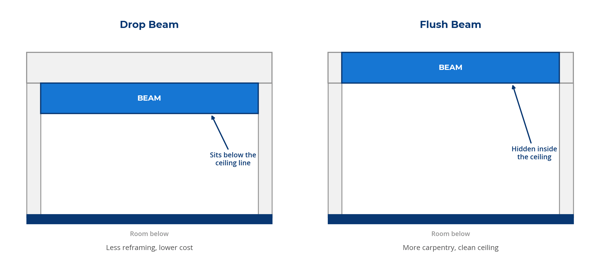 A drop beam sits below the ceiling line. A flush beam is hidden inside the ceiling for a continuous look.
The beam can sit below the ceiling line as a drop beam, which is faster and less expensive because it needs less reframing. It can also be hidden inside the ceiling as a flush beam, which takes more carpentry but leaves a clean, continuous ceiling. Some homeowners wrap an exposed beam in wood or finish it as a feature. Those are design decisions made after the structural requirements are set.
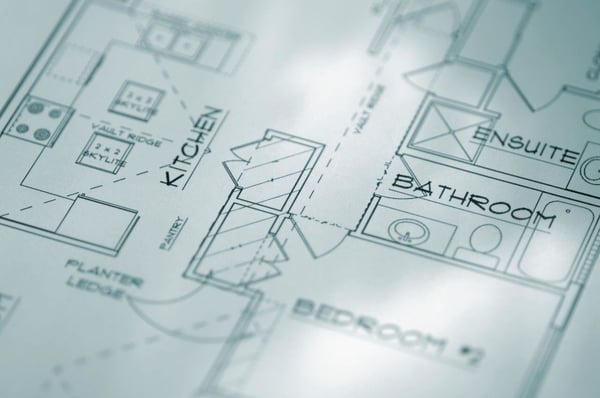
Removing a load-bearing wall is permitted work in every South Bay city, with no exemptions. Each city is its own jurisdiction with its own building department, process, and fees, but the core requirements are the same everywhere. The project needs a building permit, separate electrical and mechanical permits when wiring or ducting runs through the wall, and structural calculations wet-stamped by a California-licensed engineer that account for both gravity and seismic loads. A city inspector verifies the beam and its connections before any drywall covers the work, and all nine cities now build to the 2025 California Building Code that took effect on January 1, 2026. Working without the required permits can lead to stop-work orders, fines, and trouble when you sell the home, so this is not a step to skip.
A building permit, with no exemptions for this work
Electrical and mechanical permits when wiring or ducting runs through the wall
Structural calculations wet-stamped by a California-licensed engineer, covering gravity and seismic loads
A plan set with a site plan, structural drawings of the beam and framing, and the footings under the new posts
A city inspection of the beam and connections before drywall goes up
Across all nine cities, we prepare the engineering plans, pull the permits, and carry the inspections through to final sign-off, so the structural work is documented correctly for your specific jurisdiction.
In Southern California there is a second question beyond whether a wall carries gravity load, and that is whether it also acts as a shear wall. A shear wall provides lateral resistance that helps the home stand up to earthquake forces. Some interior walls do both jobs at once, carrying weight from above and bracing the structure against movement. Removing a wall that serves as a shear wall means that lateral capacity has to be replaced somewhere else, often with new shear walls in another location, a moment frame, or other engineered hardware.
A shear wall provides lateral resistance that helps the home withstand earthquake forces
Some interior walls carry weight from above and brace the structure at the same time
Removing a shear wall means replacing that lateral capacity elsewhere, with new shear walls, a moment frame, or engineered hardware
This is one of the reasons an open concept project in the South Bay should be designed by an engineer who works in seismic territory and built by a contractor who handles structural work regularly. At Bay Cities we do seismic and structural retrofit work alongside our remodeling projects, so the lateral system is accounted for in the design rather than discovered partway through demolition.
Cost depends on the wall, the framing above it, and the type of beam the engineer specifies. Construction costs in the coastal South Bay run higher than national averages, and they have risen since this article was first published, so the ranges below are starting points for the structural scope. We confirm exact pricing after we open a section of the wall and see the framing we are working with.
| Part of the work | What affects the cost | Typical range |
| Wall removal + beam installation | Length of wall and the load carried above it | $10,000 to $20,000 |
| Long-span beam (PSL or steel) | Longer openings need a stronger beam to span without posts | Up to $5,000 for the beam |
| Structural engineering plans | Size of the building and complexity of the load path | $5,000 to $8,000 |
| Two-story homes, condos, and apartments | Greater loads, more liability, foundation reinforcement | Higher than single-story |
The wall removal is only one line item in an open concept kitchen remodel. Cabinets, countertops, appliances, and finishes make up the larger share of a full project, and our kitchen remodel cost guide breaks down how the full budget comes together.
For most South Bay homeowners the structural work is worth it when the budget allows. Removing the wall creates a continuous space between the kitchen, dining, and living areas, which improves daily function and how the home feels when you are cooking or entertaining. A major kitchen remodel is a significant investment, and in many South Bay neighborhoods an open layout adds meaningful property value.
What you gain:
A continuous, open space connecting the kitchen, dining, and living areas
Better daily function and easier entertaining
More natural light and longer sightlines across the main floor
Added property value in many South Bay neighborhoods
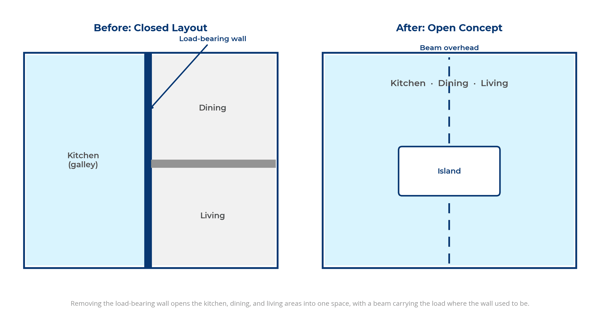
The same footprint before and after: removing the wall connects the kitchen, dining, and living areas into one space.
The honest way to make the decision is to design a project you can afford to build all the way through. If your construction budget has room for the structural scope, removing a load-bearing wall is usually the single change that transforms how the space works. If the budget is tight, there are layout options that open up the kitchen without taking out the main structural wall, and a good contractor will walk you through both paths before you commit.

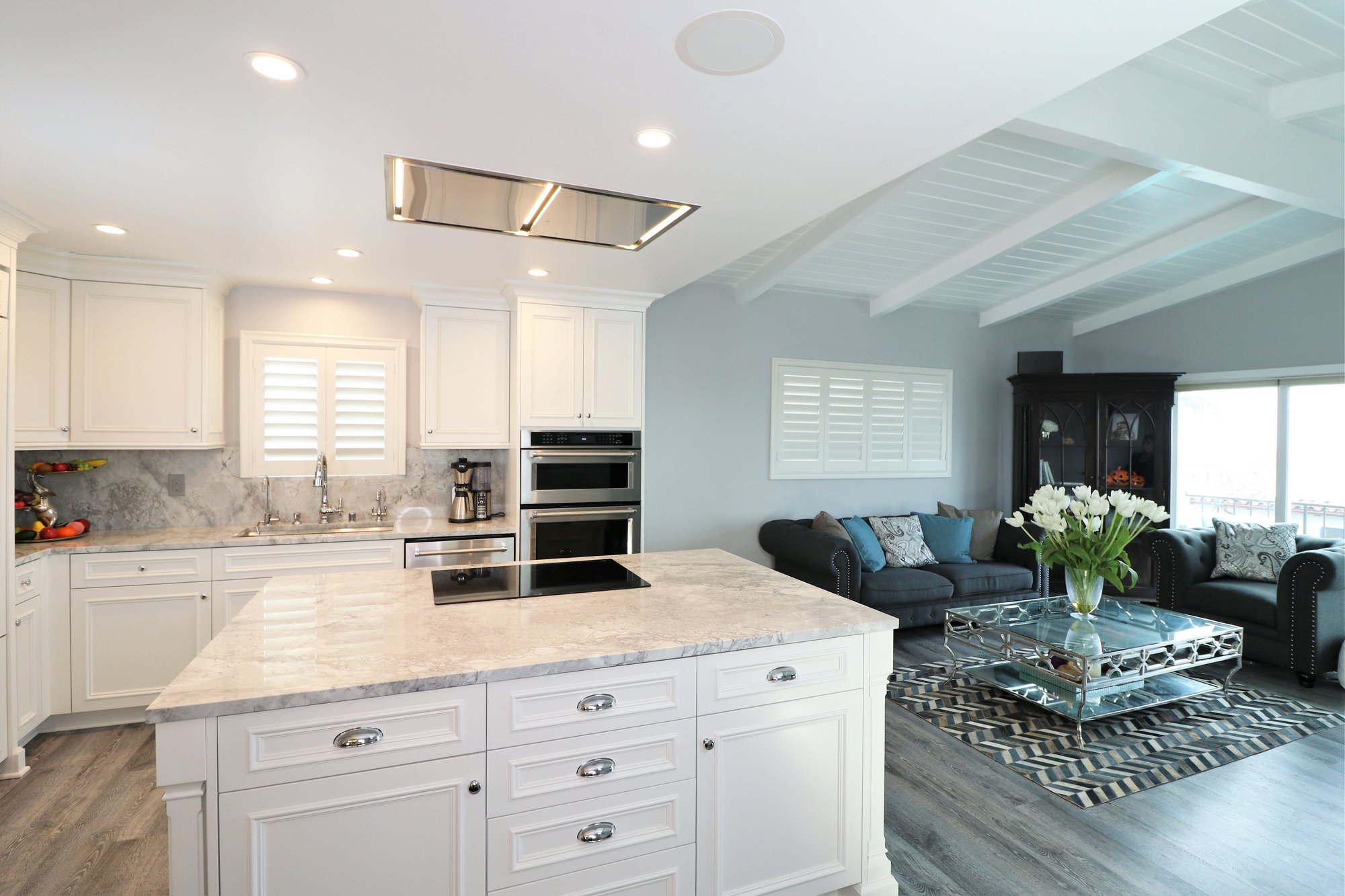
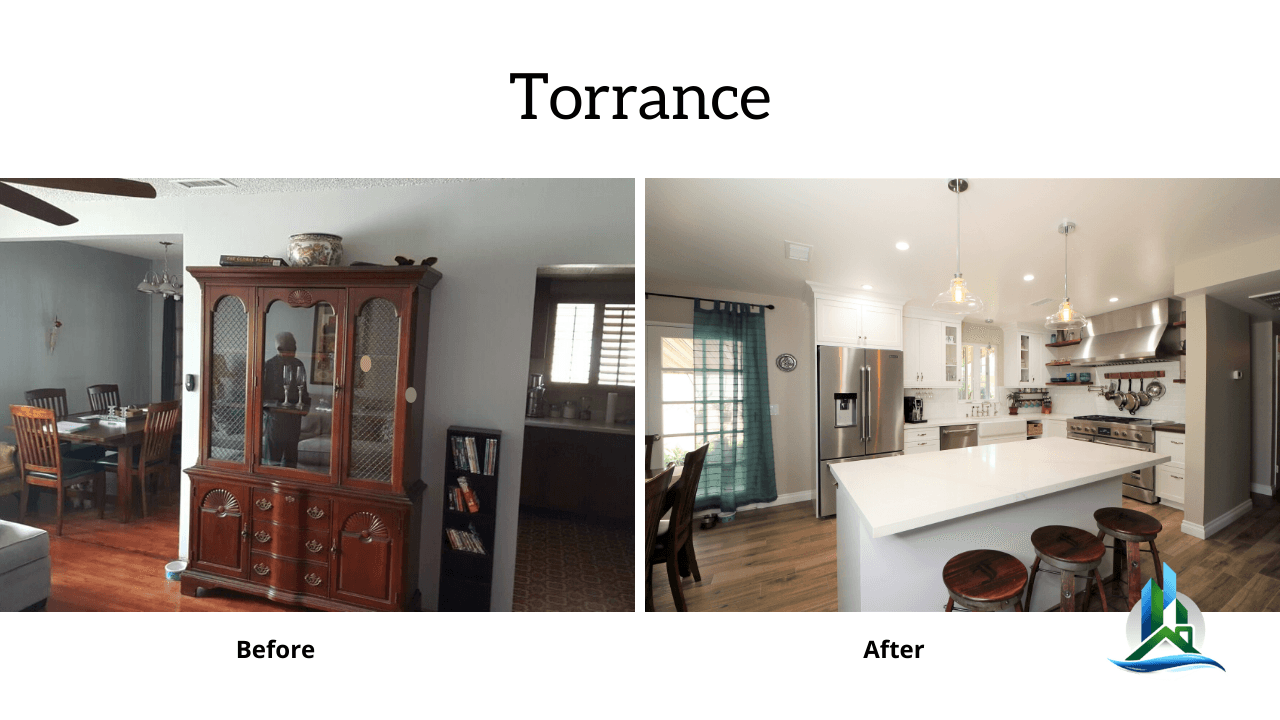
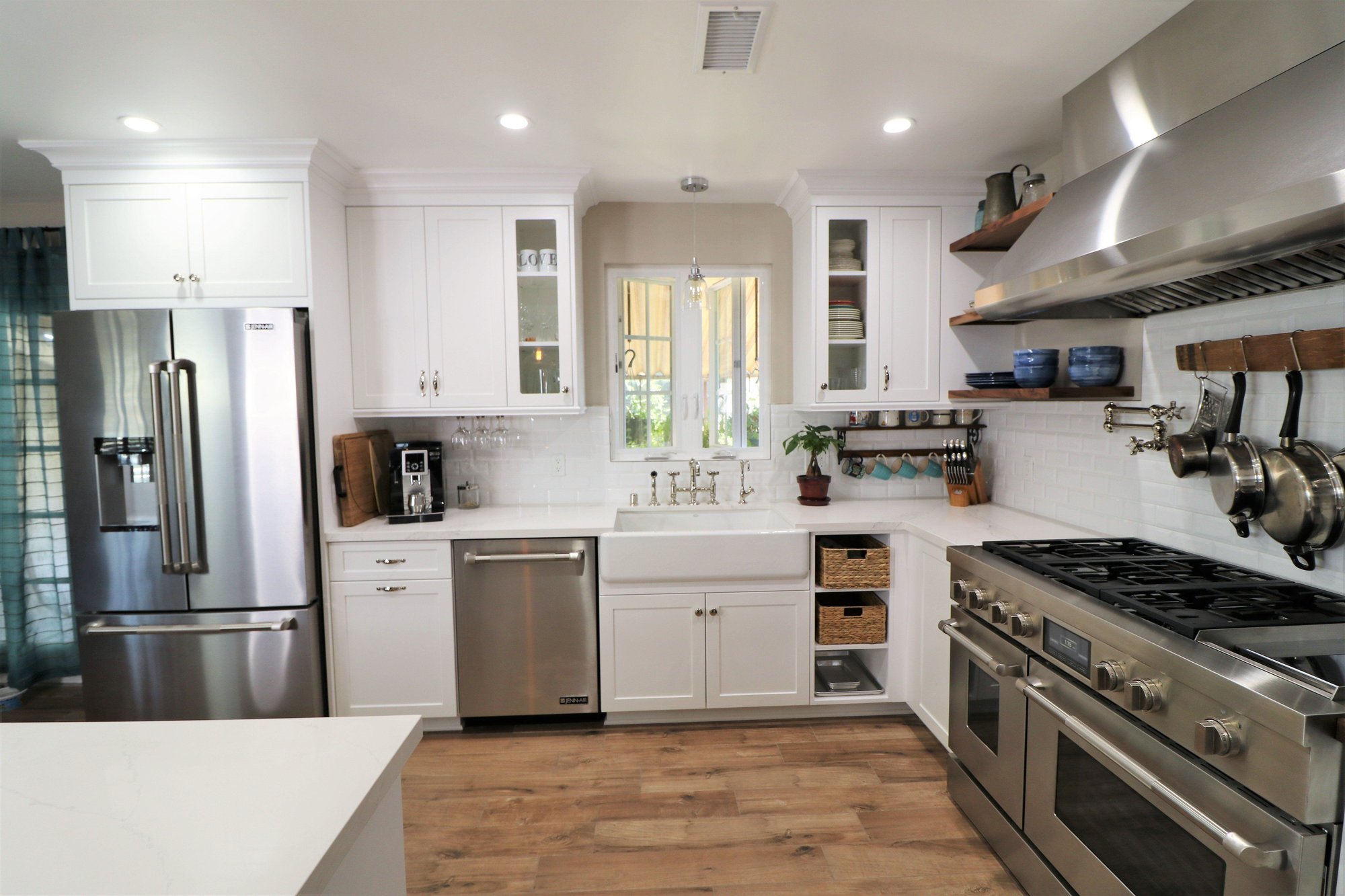
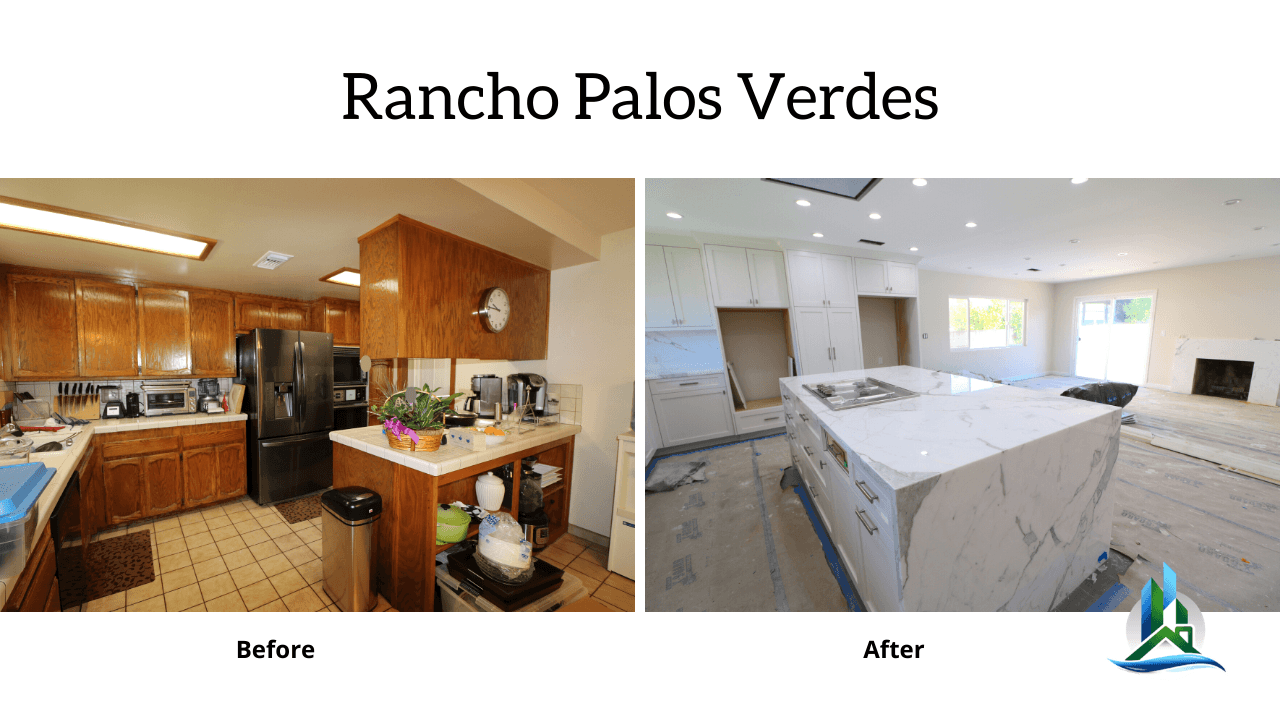
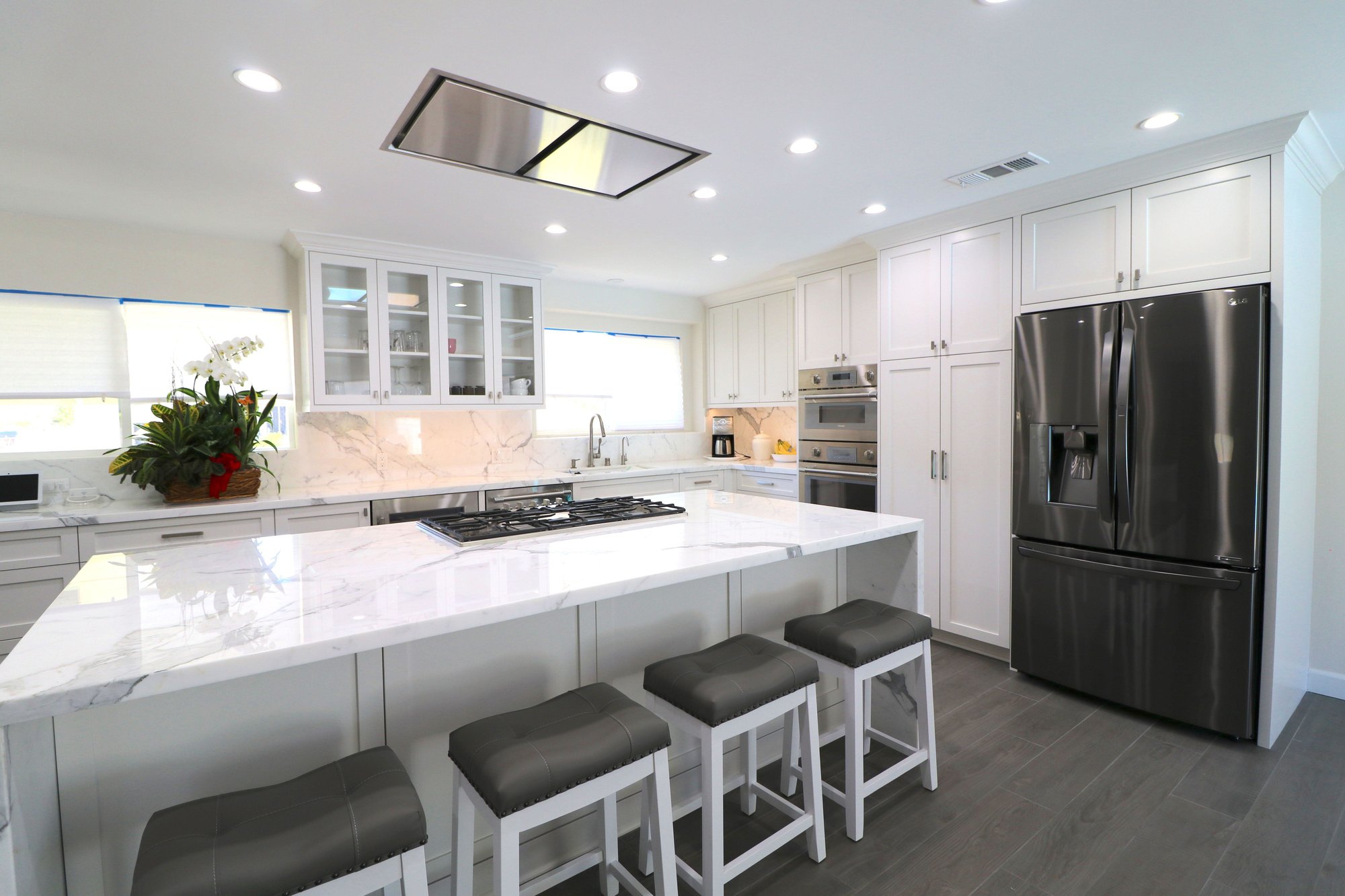
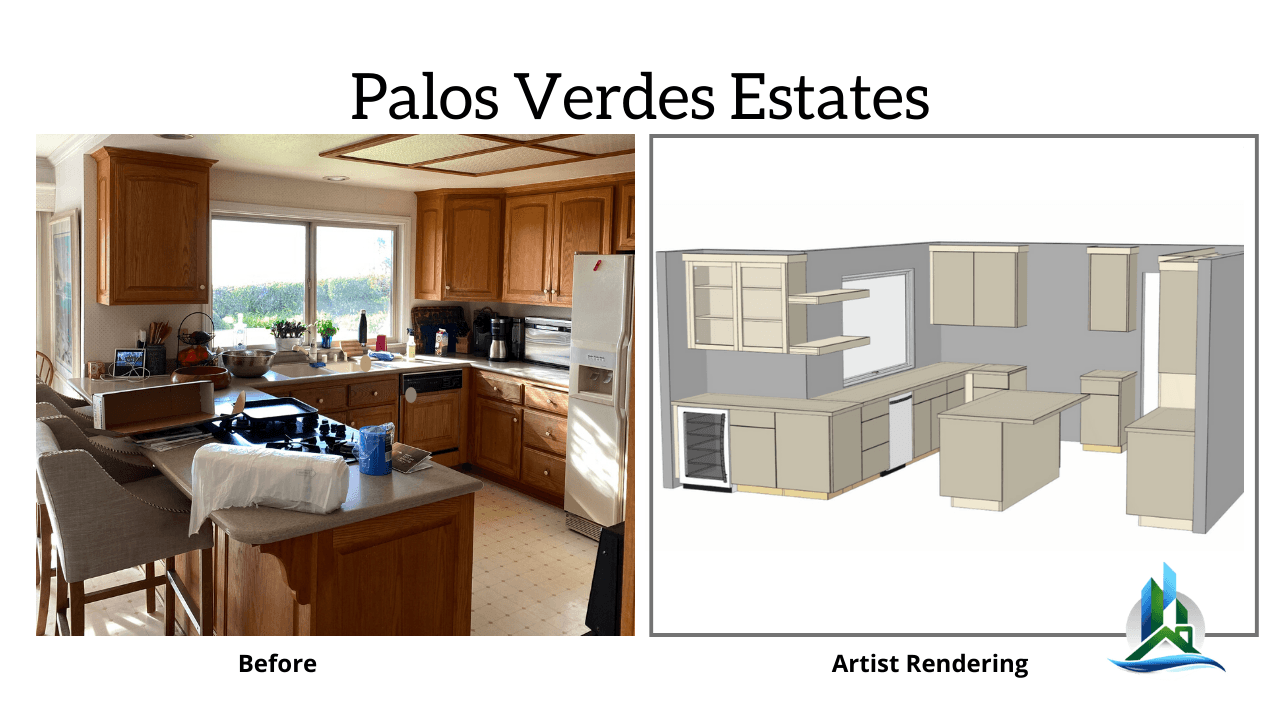
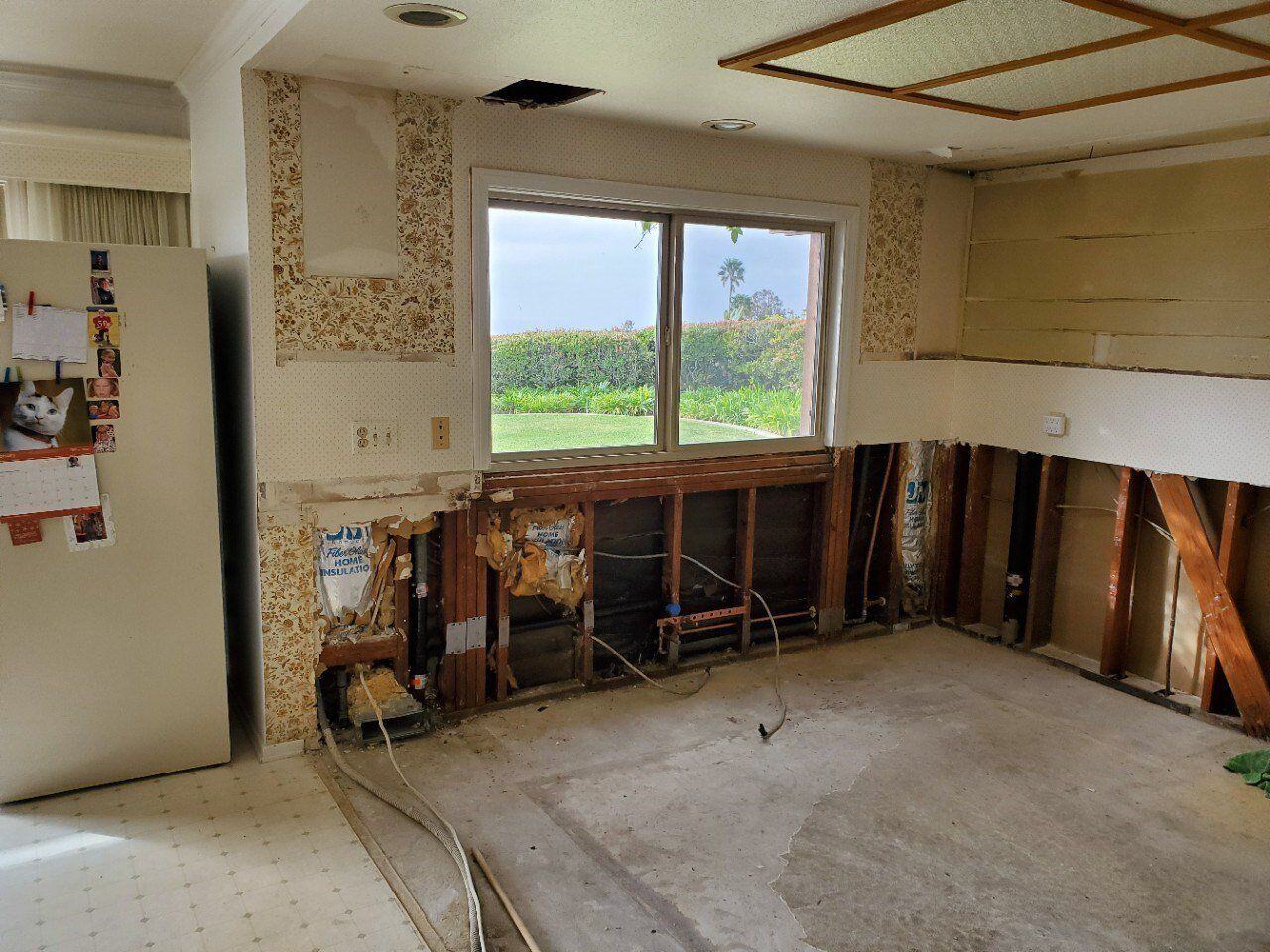
Over the last 20 years we have built more than a dozen open concept kitchens across the South Bay, many of them in Redondo Beach. Here are a few that show how the structural work plays out in different types of homes.
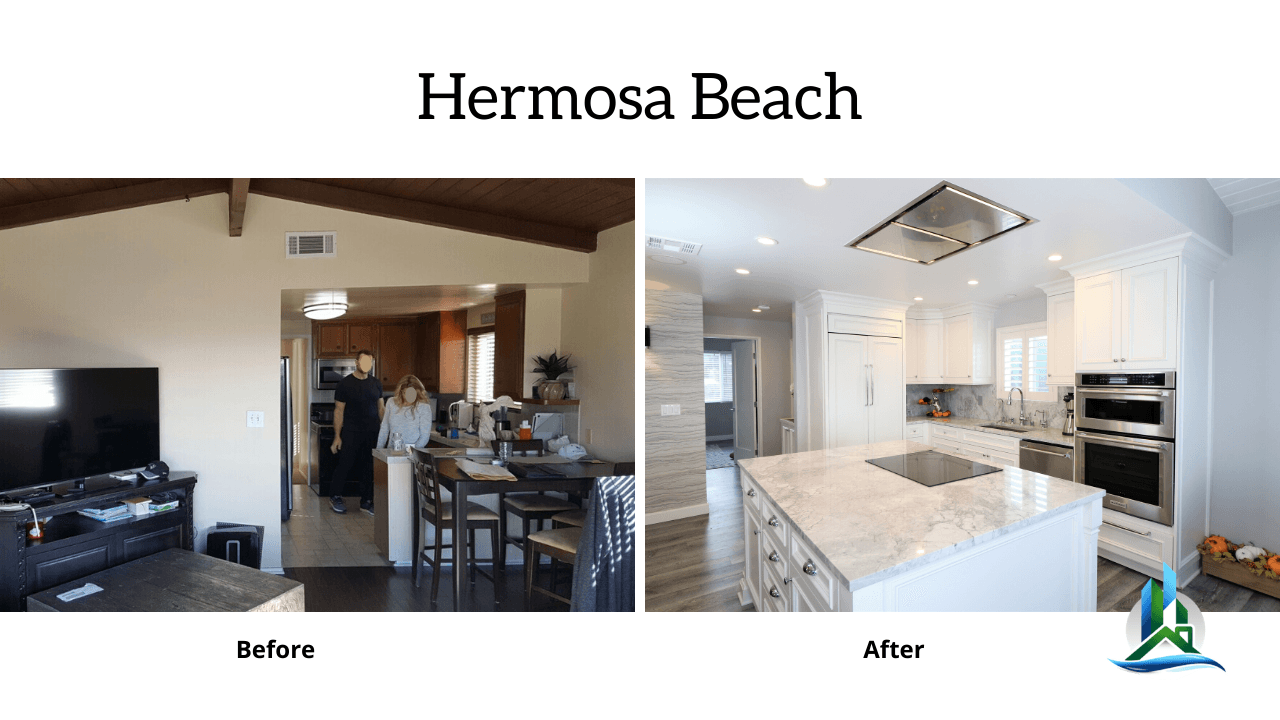
|
📝
Ready to Start Your Kitchen?Get an accurate, scope-based estimate built around your space, your selections, and your budget. No allowances, no surprise change orders. Request a Quote📷
See Our Work FirstBrowse completed kitchen, balcony, and remodeling projects across the South Bay, Los Angeles, and Orange County before you reach out. View the Gallery |
![How Much Does It Cost to Remodel a Kitchen? [updated 2026]](https://www.baycitiesconstruction.com/hubfs/Gallery%20-%20Sluk%20-%20Redondo%20Beach%20Kitchen%20Remodel/14%20dacor%20range%20and%20over%20range%20hood%20%20IMG_6461.jpg)
1 min read
If you own a home in the South Bay, greater Los Angeles, or Orange County and are planning a kitchen remodel, the first question is almost always...

1 min read
How to Choose the Right Kitchen Tile? Tile can be used anywhere in a home because it is durable, beautiful, and water resistant. With so many options...
1 min read
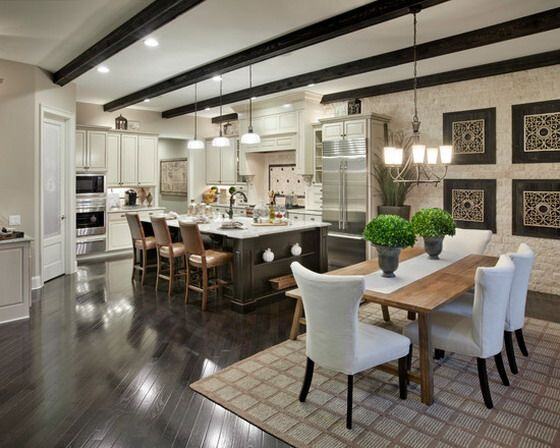
Open kitchen layouts are extremely popular today. Many people use their homes for entertaining or during the holidays. It creates an environment that...